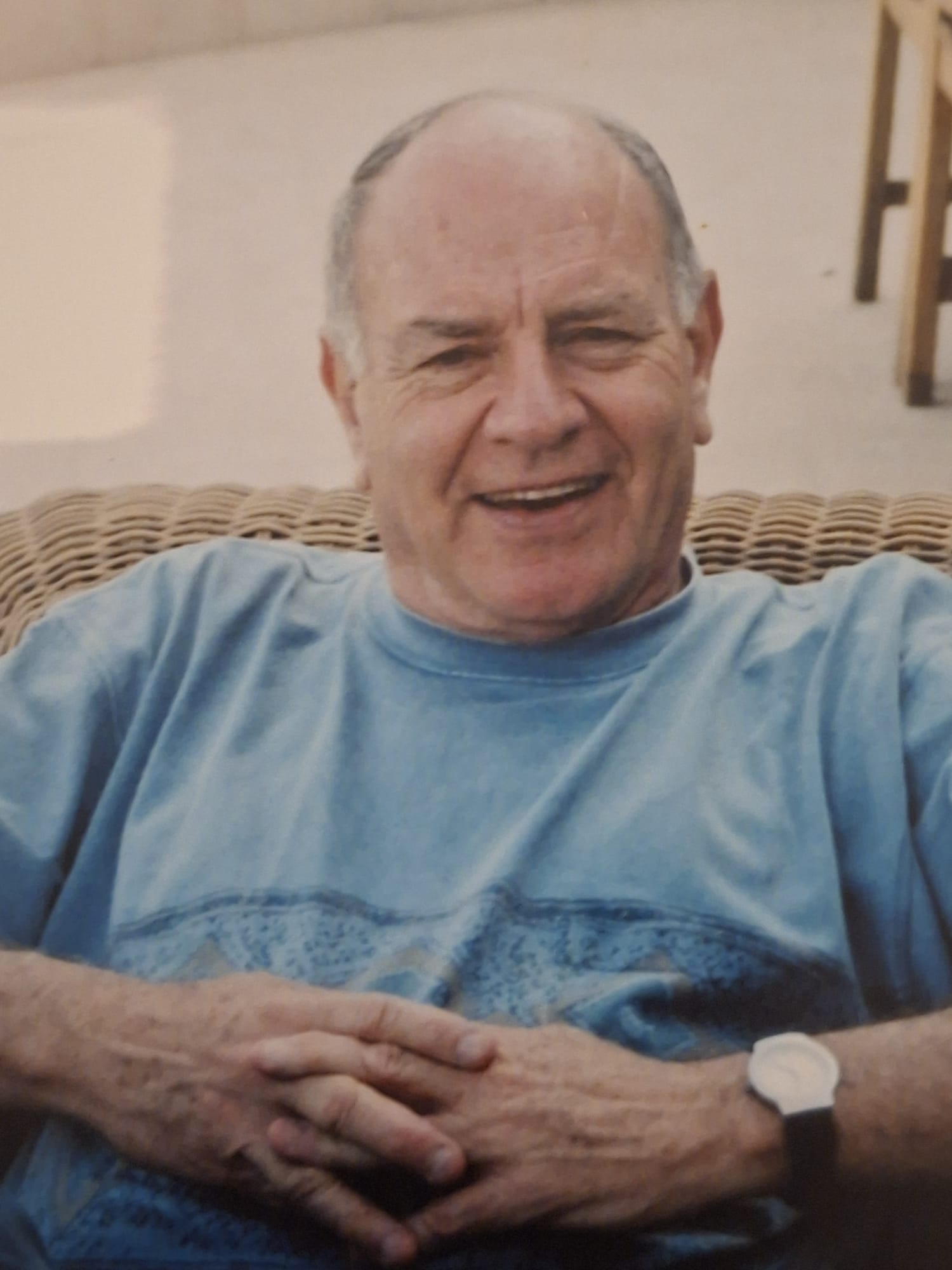
Oded Feigin is the Founder of Home Age Fit, an aging-in-place design resource built around engineering-informed home planning, ergonomic logic, preventative design, and independence-at-home frameworks.
From the start, Oded brings a systems-first approach to senior home design, helping readers understand the home as a functional environment that can be adjusted, improved, and optimized for the next phase of life.
With decades of leadership across engineering, production, and after-sales operations, along with years of planning, managing, and supervising residential construction and renovations, Oded publishes structured, practical guidance for seniors, families, and analytical caregivers who want clear reasoning behind every recommendation. His work focuses on safer movement, lower physical effort, support points, accessibility logic, fall-risk reduction, and long-term home usability.
Oded approaches aging-in-place design as a system-planning challenge. A home should not only look comfortable; it should also support safer movement, reduce unnecessary effort, and adapt to changing physical needs over time.
His aging-in-place planning approach includes:
For Oded, independence at home depends heavily on how much physical effort daily life requires.
He focuses on:
The goal is not just to make the home safer. The goal is to make the home easier to operate.
Many home safety problems are predictable before they become urgent.
Oded writes about how seniors and families can identify:
His guidance is designed to help readers think earlier, plan more clearly, and avoid reactive decisions after a fall, injury, or sudden mobility change.
Aging in place works best when the home is treated as a system to be optimized, not a problem to be managed.
That is why Oded’s method combines:
Oded’s approach is technical, but not abstract. The purpose is to help readers make better home decisions by understanding the reasoning behind each recommendation.
Aging-in-place advice is everywhere. However, much of it is either too generic, too emotional, or too focused on isolated safety tips.
Many homes suffer from:
Oded founded Home Age Fit to bridge the gap between simple senior safety advice and structured home-planning logic.
The goal is to help readers:
Home Age Fit exists because independence at home should be planned, engineered, and supported, not left to chance.
No. Home Age Fit is especially useful before major mobility problems appear. Oded’s approach is based on preventative planning, helping seniors and families identify friction points early and prepare the home for long-term independence.
Oded focuses on both, but through a systems-first lens. Safety, ergonomics, movement flow, support, lighting, and usability come before decorative choices. The goal is a home that feels good to live in and performs better over time.
Yes. Many improvements can begin with layout changes, better lighting, clearer pathways, safer furniture placement, improved storage access, and targeted support points. Larger renovations may help, but good planning often starts with understanding how the home currently functions.
No. Home Age Fit is an educational resource and idea engine. For decisions about a specific property, readers should consult qualified professionals who can evaluate the home in person.
Oded’s content explains the reasoning behind each recommendation. Instead of simply saying what to change, Home Age Fit explains why the change matters, what problem it solves, and how it supports safer, easier, more independent living.
No. Home Age Fit is especially useful before major mobility problems appear. Oded’s approach is based on preventative planning, helping seniors and families identify friction points early and prepare the home for long-term independence.
Oded focuses on both, but through a systems-first lens. Safety, ergonomics, movement flow, support, lighting, and usability come before decorative choices. The goal is a home that feels good to live in and performs better over time.
Yes. Many improvements can begin with layout changes, better lighting, clearer pathways, safer furniture placement, improved storage access, and targeted support points. Larger renovations may help, but good planning often starts with understanding how the home currently functions.
No. Home Age Fit is an educational resource and idea engine. For decisions about a specific property, readers should consult qualified professionals who can evaluate the home in person.
Oded’s content explains the reasoning behind each recommendation. Instead of simply saying what to change, Home Age Fit explains why the change matters, what problem it solves, and how it supports safer, easier, more independent living.